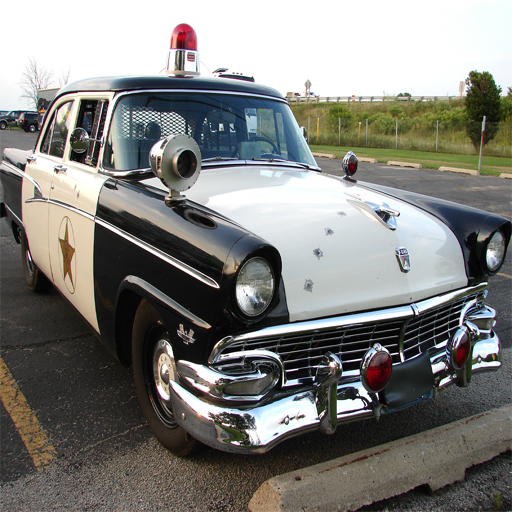
You can recognize a police car the moment it goes by with its siren blaring, but split a photo into a couple dozen scattered pieces, and a plain gray section can leave you wondering whether you’re looking at the roof or the road. Police Cars Jigsaw Puzzle on Woko Games gives you that familiar satisfaction of figuring out where each piece belongs. This HTML5 jigsaw game leaves a faded copy of the picture inside the frame, so you have something to check whenever you get stuck. Having a reference doesn’t mean every piece is easy to place, though, especially when the one you’ve picked up has nothing recognizable on it.
The game has eight pictures of police vehicles, from familiar black-and-white patrol cars and large SUVs to low-slung sports cars. Some show a single vehicle, while others feature a sedan and an SUV together. Before you start, you can choose a puzzle with 6, 12, or 24 pieces. With 6 pieces, each section contains a fairly large part of the car, so spotting a front wheel or windshield gives you a good idea of where it belongs. Switch to 24 pieces, however, and those same features get divided into much smaller sections. One piece might contain just the edge of a wheel or a few letters from the door. You’ve only just seen the full picture, yet breaking it down a little further is enough to make you take a closer look.
The loose pieces sit on the left, with the puzzle frame on the right, all against a wooden tabletop. Click and hold to pick up a piece, drag it across, and compare it with the faded image before letting go. The pieces start out tilted at different angles, but the game automatically straightens them and locks them in place when you find the correct spot. You can start with the roof lights, grille, or large lettering on a door, since these give you more to work with than a patch of background. As a few pieces fall into place, parts of the picture become clear, and the gaps around them get easier to figure out. There’s something satisfying about finally spotting where a piece belongs, dragging it over, and watching it fit neatly into place.
The sky, bushes, and stretches of pavement may take a little more patience, because two gray pieces won’t necessarily belong next to each other. One could show the underside of the car, while the other belongs to the road behind it. If you go by color alone and keep trying different spots, you can spend a while shuffling the same piece around. Look for the direction of a road marking, a curve in the bodywork, or a window trim running along an edge instead. If a piece still has you stumped, you can leave it and work on something you’re more confident about. Sometimes, placing just one neighboring piece makes the answer so obvious that you wonder how you missed it in the first place.
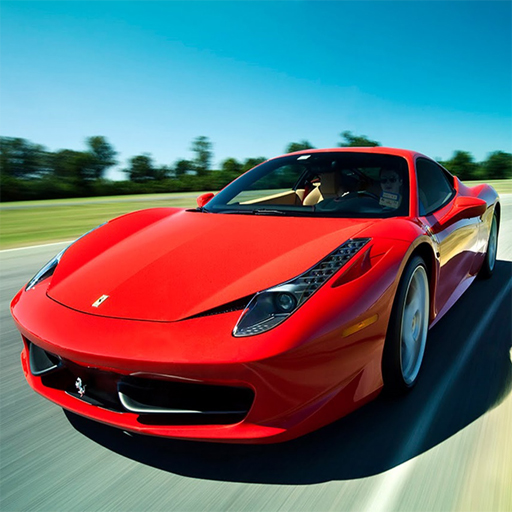
Switch from a patrol car to a sports car, and you have a different set of details to follow, from the headlights to the shape of the bodywork. Once every piece is in place, the full picture comes into focus and colorful balloons float up to celebrate. You can move on to another image, though it’s tempting to return to the one you’ve just finished and increase the piece count. After completing the 6-piece version, you might feel like you know every part of that car, so choosing 24 pieces hardly seems like a big deal. Then the pieces appear, and a tiny corner of a window has you squinting at the screen again. The car is still familiar, but your earlier confidence may have taken a small hit.